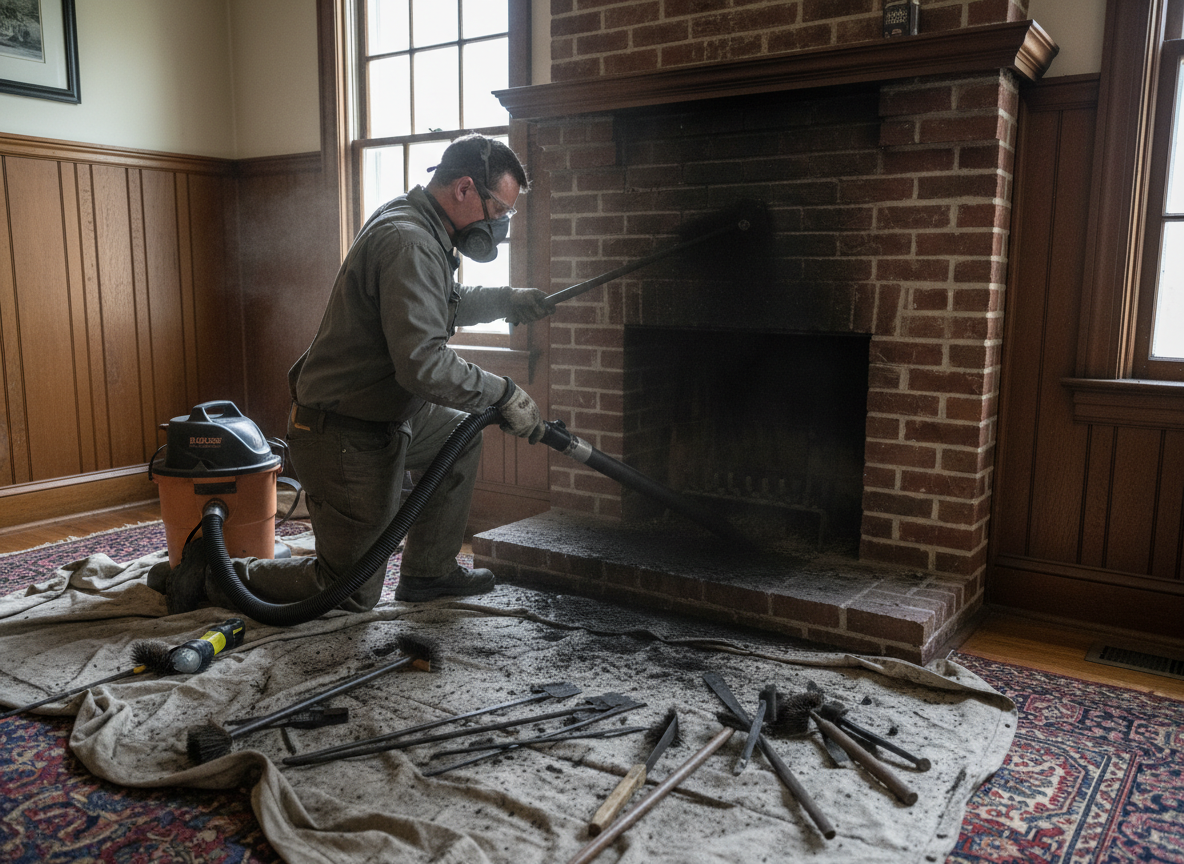
Soot from structure fires in Edison carries acidic residues that etch metal fixtures and discolor drywall within hours, especially during the hot arid summers of the San Joaquin Valley when low humidity lets fine particles travel farther through HVAC systems. Homes along Edison Highway and in surrounding areas often feature older stucco exteriors and forced-air heating installed decades ago, both of which trap soot in textured surfaces and ductwork. Standard vacuuming spreads the alkaline dust common to Kern County soil, so we use pH-neutralizing agents and HEPA filtration to lift residues without driving them deeper into porous materials.
Different surfaces demand distinct approaches. Kitchen cabinets finished with oil-based paint require solvent gels that break the soot film without stripping the coating, while concrete garage floors common in Edison properties need alkaline rinses followed by extraction to prevent permanent shadowing. We test every material first because valley dust mixed with combustion byproducts can create stubborn compounds that react with standard cleaners. Containment barriers and negative-air machines keep particles from migrating into unaffected rooms during the multi-day process.
After the initial removal we run air scrubbers for 48 hours and wipe all horizontal surfaces a second time, because residual soot continues to off-gas in the mild winter temperatures typical here. Homeowners who attempt DIY cleaning with household vacuums frequently push particles into wall cavities, leading to recurring odors months later. Our protocol includes post-cleaning verification with swab tests to confirm pH levels have returned to neutral before any reconstruction begins.
Technician insight
In Edison, the thing that catches most people out with soot removal is the fine alkaline dust from the San Joaquin Valley combining with acidic soot, making it bond tightly to stucco exteriors common on older homes along Edison Hwy.
Kitchen fire soot in Edison home
Soot from a kitchen stove fire had traveled through the HVAC into bedrooms of a 1970s ranch house off Edison Highway. We found embedded residues on popcorn ceilings and inside the ductwork. Containment, sequential dry and chemical cleaning, and two days of air scrubbing removed the acidic film without damaging the original plaster walls.
How it works
- 1
Site Assessment
Technicians inspect all affected rooms, test surface pH, and map soot migration paths through the HVAC system common in Edison homes.
- 2
Containment Setup
Plastic barriers and negative-air units isolate the work zone to prevent cross-contamination into unaffected areas of the property.
- 3
Dry Removal
HEPA vacuums and specialized sponges lift loose soot from walls, ceilings, and contents without spreading Kern County dust.
- 4
Chemical Cleaning
pH-adjusted solutions neutralize acidic residues on wood, metal, and fabric surfaces followed by extraction.
- 5
Final Air Scrubbing
Air scrubbers run for 48 hours and surfaces receive a second wipe-down before clearance testing.
Pricing
Cost depends on square footage affected, surface types, and HVAC involvement; we provide on-site assessments before work begins.